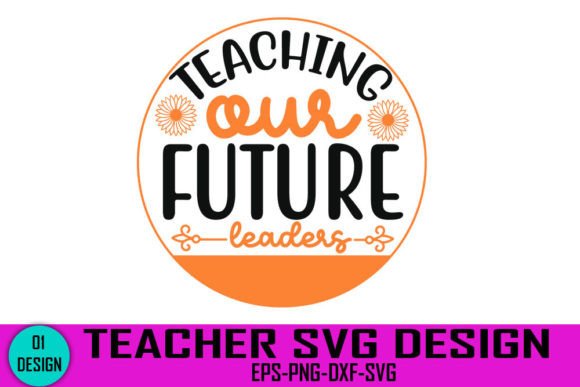
Teaching Our Future Leaders: A Design for Real Embroidery
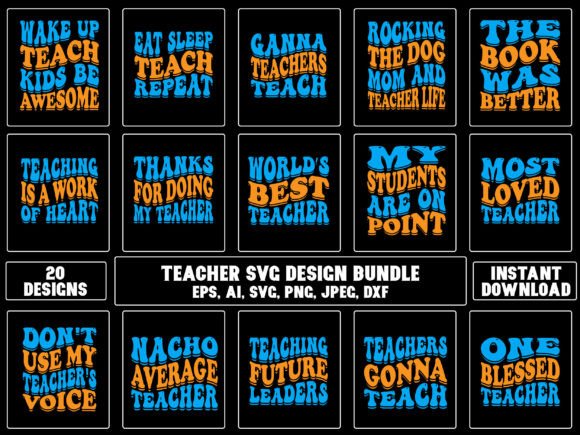
When I first opened Teaching Our Future Leaders - Teacher Sv, my immediate thought wasn’t about the file formats. It was about the mood. This design carries a quiet, appreciative warmth. The phrasing “Teaching Our Future Leaders” feels respectful and forward-looking, perfect for honoring educators not just for what they do today, but for the legacy they’re building. As a graphic, it’s straightforward, with clean lines and a balanced layout. Its visual personality is professional yet deeply personal—it’s a sentiment, not just a slogan.
The Projects Where This Design Finds Its Home
I picture this design embroidered onto a canvas tote bag for a teacher’s first day back, or stitched onto the corner of a soft baby blanket for a nursery teacher’s newborn gift. It feels made for items that hold meaning. In my own work, I’m constantly evaluating a design’s fit for real products, and this one leans naturally towards personalized gifts and small shop merchandise.
Imagine a custom sweatshirt. This embroidery file would sit nicely on the left chest or upper back. The text would read clearly with a satin stitch, creating a polished, heartfelt gift that a teacher could actually wear on a casual Friday. For a boutique focusing on educator appreciation, this becomes a core design asset. On a tea towel or apron, it transforms a simple kitchen item into a thoughtful gift with a handmade presentation that elevates its value.
For crafters and Etsy sellers, Teaching Our Future Leaders - Teacher Sv offers strong versatility. You could use it for an embroidered patch applied to a backpack, or stitch it directly onto a pillow cover for a cozy, inspirational nursery decor piece. Its clarity makes it suitable for printable mockups to showcase your digital embroidery file listings, helping buyers visualize the finished product on apparel.
Where It Works Best and Where to Exercise Caution
In real-life embroidery situations, the performance of a design depends heavily on context. This design, with its likely reliance on clean lettering, will shine on stable, medium-weight fabrics like cotton twill for tote bags, or fleece for sweatshirts. The stitch density needs to be sufficient to make the text solid and readable, giving the final piece a professional look that builds customer trust.
However, there are places where I’d proceed carefully. On very small hoop sizes, the lettering detail could become cramped. On highly textured or stretchy fabric, like a fine knit t-shirt, small details might lose clarity without the correct stabilizer. Embroidering on dark fabric requires thoughtful thread color contrast—a white or bright satin stitch would pop beautifully, but a low-contrast choice could make the sentiment fade.
Applying it to curved surfaces like caps requires checking the design’s adaptability; the text needs to flow with the curve. For products destined for frequent washing, such as baby clothes or kitchen towels, a robust fill stitch in the text will ensure longevity. The key is to test the design on scrap fabric first, simulating the final product’s material and color.
A Real Scenario: Preparing a Custom Teacher Tote
Let’s walk through a real case. I’m preparing a custom embroidered tote bag as a holiday gift for a client who wants to thank a teacher. I select a natural canvas bag. My first step is always a test stitch on a scrap of similar canvas. I check the thread color contrast—perhaps a classic navy blue thread on the natural fabric. I review the stitch density from the embroidery file to ensure the text won’t be too sparse or too dense, which can distort the fabric. I confirm the hoop size can accommodate the design’s width comfortably.
As I run the test, I inspect the small details: the spacing between words, the clean edges of the letters. This isn’t a massively complex graphic, so clarity is paramount. A successful test stitch tells me this design will translate beautifully to the final product, creating a gift that feels both handmade and high-quality, enhancing its giftability and recognition.
Practical Notes for Embroidery Designers and Makers
Working with designs like Teaching Our Future Leaders - Teacher Sv requires a practical mindset. Always test it in both black and white mockups to see how it reads on light and dark backgrounds. This informs your thread choices for different projects. Use proper stabilizer for the fabric you’ve chosen; a lightweight fabric might need a cut-away stabilizer to prevent puckering, especially with text.
For commercial embroidery projects or for those selling finished items in their craft business, confirming licensing is a non-negotiable step before selling. The product description mentions file formats like SVG and EPS, which are typically for digital use. Ensure your use—whether for personal gifts or for small shop products—aligns with the license provided. This protects your business and maintains professionalism.
Finally, consider how this design affects your brand consistency if you’re a creative entrepreneur. Does this heartfelt, educator-focused theme align with your other offerings? For digital product sellers, this graphic can be a valuable asset in a bundle focused on appreciation themes. Its straightforward, clean execution makes it a reliable choice for embroidery projects that need to look polished without excessive complexity.
In the end, Teaching Our Future Leaders - Teacher Sv is more than a graphic; it’s a conduit for a message. When stitched well onto the right product, it creates an item of genuine appreciation. It’s a design that asks you to think about the recipient, the fabric, and the thread, ensuring that the finished embroidery speaks clearly and warmly, just as the sentiment intends.