Reviewing Only the Brave Teach SVG Design for Real Embroidery
Whenever a new embroidery file lands on my screen, my first question isn't about the formats. It's about its life as stitches. How will it breathe on fabric? Today, I’m looking at the Only the Brave Teach SVG design, thinking about it from the perspective of a craft business owner ready to turn a digital graphic into a tangible, sellable product.
The Immediate Mood & Where It Belongs
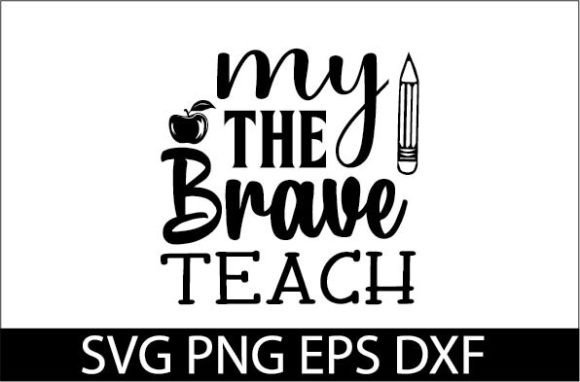
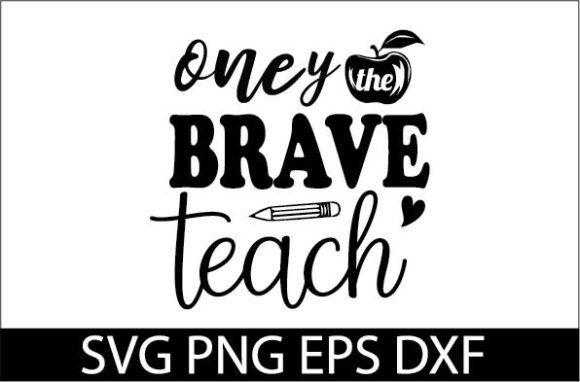
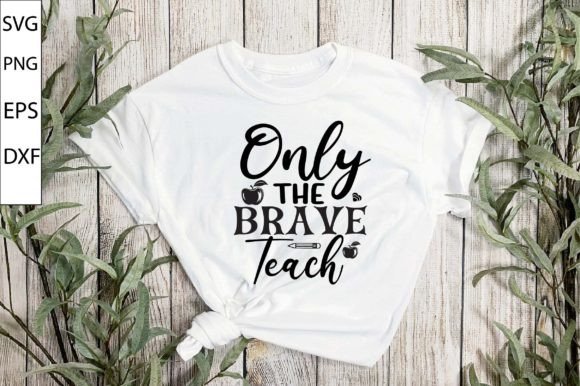
The title “Only the Brave Teach” hits you with a sense of respect and strength. It’s a statement, not just a phrase. This isn’t a playful, whimsical design; it carries weight. The visual personality, as I assess it from the provided vector files, leans toward bold, clean, and declarative. In my mind, I’m already picturing it stitched onto a sturdy canvas tote bag or the back of a heavyweight sweatshirt—items that match its assertive mood. It feels perfect for projects aimed at educators, mentors, or anyone in a challenging role, making it a strong candidate for personalized gifts or niche boutique merchandise.
A Real Project Scenario: The Custom Embroidered Tote
Let’s walk through a real case. Imagine a client order for a custom embroidered tote bag for a retiring teacher. I’d pull this design into my software. Being a vector file, it promises easy resizing, which is crucial. I’d scale it to a prominent size for the bag’s front panel. The clean layout suggests it will translate well into embroidery, with satin stitches for the lettering and perhaps a fill stitch for any emblematic elements. My immediate concern would be stitch density on the bag’s textured fabric; a good stabilizer choice will be key to prevent puckering and keep that professional, handmade presentation sharp.
Performance Across Real Embroidery Situations
This design’s strength is its clarity. For machine embroidery, that means good stitching clarity on a variety of products. It would hold its authority on a classic apron for a craft instructor or a dense patch for a cap. On baby clothes or delicate nursery decor, however, I’d pause. The bold statement might feel visually heavy on such small, soft items. Its natural home is on apparel and accessories that carry a message: custom apparel for small shops, holiday gifts of appreciation, or even branded merchandise for educational conferences.
For an Etsy seller creating digital product previews or printable mockups, the included PNG and vector files are a practical asset. You can easily showcase how the finished embroidery would look on a sweatshirt or tote in your listing, boosting buyer engagement by showing the potential finished product.
Where to Exercise Caution
Any embroidery designer knows that a good digital file still needs thoughtful application. With a design like this, I’d be careful on very small hoop sizes. Tiny lettering, if present, can become a thread-heavy blob if not tested. Stretchy fabrics like thin t-shirts require extra stabilization to maintain the design’s clean lines. Dark fabric backgrounds demand high-contrast thread color choices—test in black and white mockups first to see if the layout holds its impact. On curved surfaces like caps, the design’s layout needs to be checked for distortion at the seams.
The Impact on Your Craft Business & Customer
Using a well-executed design like this affects more than just the stitch. It elevates product value. A crisp, thoughtful embroidery on a tote bag speaks to customer trust and brand consistency. It feels like a professional, intentional handmade product, not a hurried craft. For giftability, this design has high recognition and a direct emotional pull, which can translate into better sales at craft fairs or for your small shop product line.
As a commercial embroidery asset, its utility depends on your final use. The file formats provided—SVG, PNG, EPS, DXF—are the staples for versatility. They allow for easy color changes, which is fantastic for creating series of products for different teams or schools. However, always confirm the specific licensing for your intended use before selling finished items or digital derivatives.
Practical Designer Notes Before You Hoop
- Always test the embroidery file on scrap fabric of the same type you plan to use. Check thread color contrast against your actual fabric.
- Review the stitch density in your embroidery software; a dense design on a towel or blanket needs careful thread management.
- Confirm the hoop size needed for your intended product—don’t assume it fits.
- Inspect the small details in the design. Are there corners or accents that might require a running stitch outline for clarity?
- Compare how it looks on both light and dark background mockups. Does it maintain its visual appeal?
- Use proper stabilizer for the fabric texture. This is non-negotiable for professional results.
- Finally, check whether the design’s licensing aligns with your project—personal gift or commercial embroidery for your craft business.
Final Thoughts on Stitching This Design
The Only the Brave Teach SVG design presents itself as a solid, vector-based graphic with clear commercial and gift appeal. It’s not a fussy, overly detailed file that would struggle in translation; its mood is straightforward and powerful. My recommendation is to lean into that strength. Use it on products that match its bold character: sturdy tote bags, quality sweatshirts, impactful patches, or personalized aprons. For the embroidery designer, small business owner, or creative entrepreneur, this design is a practical asset. Approach it with the standard precautions—test, stabilize, and consider your fabric—and it should stitch out into a finished product that truly honors its message.