Coffee Teach Repeat: A Designer's Review for Embroidery
As a designer who regularly translates digital files into physical stitches, my first task with any new design is to visualize it beyond the screen. When I opened the 'Coffee Teach Repeat' SVG bundle, I immediately saw its potential for a specific, charming niche. This isn't a generic graphic; it’s a conversation starter built for the passionate educator—or the coffee-loving one. Let’s walk through how this design holds up when you’re thinking about real thread, fabric, and customer reactions.
The Immediate Mood and Visual Personality
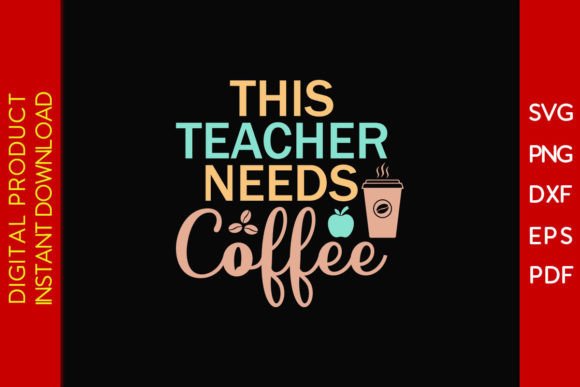
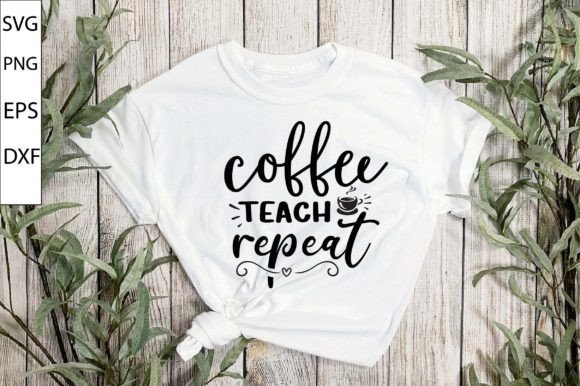
The design cleverly merges two universal loves: coffee and teaching. The layout suggests a cozy, relatable vibe—perfect for creating gifts or merchandise that feel personal and appreciated. The typography and elements appear balanced, promising good stitch clarity without overly dense areas that can plague embroidery on softer fabrics. My first impression was that this belongs on items meant for comfort, gratitude, or daily use. It feels friendly and professional without being corporate.
Where This Design Shines in Real Projects
Imagine you’re preparing a custom embroidered tote bag for a teacher’s appreciation gift. This 'Coffee Teach Repeat' design is an ideal candidate. The theme is instantly recognizable and emotionally resonant. On a sturdy canvas tote, the stitches would stand out beautifully, creating a valued handmade product. Similarly, consider a soft, high-quality sweatshirt. The design’s likely moderate detail level, as inferred from the vector file description, means it should translate well to knit fabrics without excessive puckering, provided proper stabilizer is used.
For small business owners and Etsy sellers, this graphic is a versatile asset. It could elevate simple kitchen towels into boutique teacher gifts, transform a plain apron into a thoughtful present, or become a beloved patch on a denim jacket. The included file formats—SVG, PNG, EPS, DXF—indicate flexibility for various uses, from digital product mockups to direct machine embroidery file conversion. For apparel decorators, it’s a strong option for casual, personalized apparel that connects with a wide audience.
Scenarios for Maximum Impact
- Personalized Gifts: Embroidered on a pillow cover or blanket for a retiring teacher.
- Small Shop Merchandise: Stitched onto caps or tea towels for craft fair products targeting educators.
- Boutique Branding: Used on staff uniforms or promotional items for a coffee shop or educational center.
- Baby and Nursery Decor: Adapted onto a small onesie or wall hanging for the ultimate teacher-parent.
Practical Considerations and Areas for Care
While the theme is broadly appealing, the practical embroidery application requires some forethought. Any design with text, like this one, demands attention to stitch clarity on smaller scales. I would not recommend this for very small hoop sizes on intricate items like delicate baby clothes without first testing the lettering detail on scrap fabric. Tiny lettering can become blurry if the stitch density is too high.
Textured or stretchy fabrics, such as some sweatshirt materials, require a sturdy stabilizer to keep the design crisp, especially if the 'coffee' elements have detailed corners. Embroidering on dark fabric backgrounds necessitates a thoughtful thread color contrast review—perhaps opting for lighter, creamy text against a dark navy. For curved surfaces like caps, the design’s layout should be checked for distortion; a simpler, centralized composition would likely work better than a wide, sprawling one.
Products destined for frequent washing, like kitchen towels or everyday t-shirts, need a robust stitch structure. I advise testing the design's fill stitch areas to ensure they are not so dense that they compromise fabric flexibility or longevity.
How This Design Affects Your Product’s Value and Appeal
From a commercial and creative perspective, using a well-executed design like 'Coffee Teach Repeat' directly enhances your product’s perceived value. It shows you’ve chosen a theme with built-in recognition and emotional weight. For customer trust and engagement, a cleanly embroidered version of this graphic on a handmade product speaks to professionalism and attention to detail. It feels intentional, not random.
For giftability, it’s a winner. A custom embroidered pillow with this sentiment is far more memorable than a generic store-bought card. For brand consistency, if your small business caters to educators or craft enthusiasts, this design can become a signature element across different products, strengthening your niche appeal.
Embroidery Designer Notes for a Smooth Project
- Always test first: Run the design on a scrap of your intended fabric. Check thread color contrast and review how small details, like the words 'Teach' and 'Repeat', translate into stitches.
- Consider the background: Test the design in both light and dark fabric mockups, even digitally, to plan your thread palette.
- Hoop size matters: Confirm the physical size you intend to stitch. A design too large for a baby item or too small for a tote bag can lose its impact.
- Stabilizer is key: Match your stabilizer to the fabric texture—no guessing.
- License clarity: The product description mentions multiple file formats for ease of use. Before selling finished items or commercial embroidery projects, confirm the licensing terms for this specific design bundle to ensure your usage is covered.
The Final Verdict for Makers and Entrepreneurs
'Coffee Teach Repeat' is a design with a clear heart and a strong application range. It passes the first crucial test: it makes you imagine a finished, stitched product immediately. For embroidery designers, crafters, and creative entrepreneurs, it represents a reliable asset for projects targeting a sentimental and appreciative market. Its success on a real product—whether an embroidered patch, a cozy sweatshirt, or a boutique kitchen towel—will hinge on those practical embroidery steps: testing, stabilizing, and matching it to the right canvas. When done thoughtfully, this design won’t just sit on fabric; it will create a connection, which is ultimately the goal of any handmade product worth making.