An Embroidery Designer's Review of I Survived 100 Days of School
First Impression: Nostalgia Meets Modern Craft
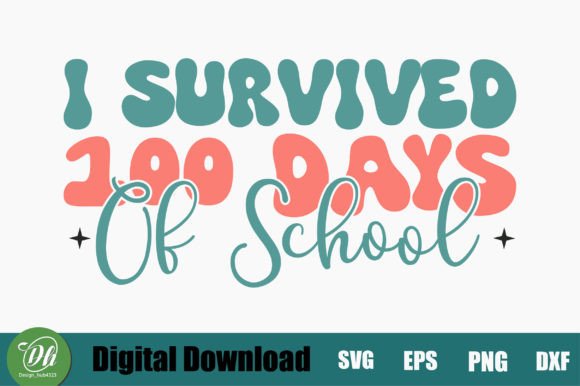
When I first opened the I Survived 100 Days of School Retro SVG, I was immediately struck by its playful, celebratory mood. It’s not just a statement; it’s a visual badge of honor. The retro styling evokes a sense of fun and achievement, perfect for commemorating a milestone. The layout feels balanced, and the detail level appears well-suited for translation into stitchwork—it has clear shapes and lettering that won’t get lost in a dense fill stitch.
Where This Design Naturally Belongs
This design sings on custom apparel meant for a child, or even a teacher. My mind went straight to a bright, cozy sweatshirt embroidery project or a personalized tote bag for carrying school supplies. It’s also a strong candidate for a baby item like a commemorative blanket for a little one’s first school year, or even as a embroidered patch on a backpack. For small business owners, this could easily become a popular holiday gift or small shop merchandise item for a boutique focusing on teacher or parent gifts.
Putting It Into Practice: A Real Project Scenario
Let’s imagine I’m preparing a custom embroidered tote bag for a client whose child just hit the 100-day mark. I’m thinking through how this SVG will look after stitching. The bold, retro lettering should translate beautifully into a clean satin stitch, creating a pronounced, textured feel. The celebratory nature of the text promises a positive customer reaction—it’s personal, joyful, and instantly recognizable.
For this tote, I’d likely use a mid-weight canvas. The design’s clarity means it should hold up well on that fabric texture. The value of the finished product isn’t just in the stitch; it’s in the sentiment it carries, which enhances its giftability and perceived value. For an Etsy seller, this kind of project can drive engagement because it taps into a shared, positive experience.
Performance Across Different Embroidery Projects
This design’s versatility is one of its strengths. For baby embroidery on a onesie, you’d want to scale it appropriately and perhaps use a lighter stitch density. On a pillow cover for a nursery or classroom, it becomes a durable decorative accent. As a holiday embroidery gift—say, a kitchen towel for a teacher—it adds a personal touch that generic gifts lack. In a craft business, it could be used in printable mockups to create digital product previews for your shop, or stitched directly onto caps and aprons.
Where to Exercise Caution
Like any embroidery file, this design requires thoughtful application. On very small hoop sizes, the details in the lettering might become too tight, risking stitch crowding. Textured fabrics like heavy tweed or stretchy fabric like jersey require careful stabilizer choice to maintain the design’s crispness. Embroidering on dark fabric demands a thoughtful thread color contrast plan—white or bright colors would pop beautifully.
Applying it to curved surfaces like caps requires testing to ensure the layout doesn’t distort. The “retro” styling might include some detailed corners or accents; inspecting these small details in your test run is crucial. For products that need frequent washing, like children’s apparel, ensuring your stitch work is secure and using quality thread will maintain the design’s integrity and customer trust in your handmade product.
Impact on Your Craft and Business
Using a well-executed design like this affects more than just the stitch. It elevates the visual appeal of your final product, offering stitching clarity that speaks to professionalism. For creative entrepreneurs, it supports brand consistency if you specialize in celebratory or school-themed items. It boosts buyer engagement because it’s relatable. A parent seeing this on a sweatshirt knows exactly what it celebrates, creating an instant connection.
Practical Notes for the Embroidery Designer
Before you run this on your final project, here are my grounded recommendations. Always test the design on scrap fabric first. Use the same material and weight as your intended project. This allows you to review the stitch density, inspect those small details, and confirm your hoop size is adequate.
Check your thread color contrast against your background fabric. Run a simple test in black and white mockups to see how the layout holds up without color, focusing on form. Compare how it looks on light and dark fabric backgrounds mentally before committing. Use proper stabilizer for your chosen fabric; this is non-negotiable for clean results.
Since this is a digital file provided in multiple formats like SVG and PNG, it’s versatile. However, for machine embroidery design use, you’ll need to convert it to your machine’s specific format. The product listing indicates it’s a digital cut file perfect for print and craft projects. For commercial embroidery or selling finished items, it is imperative that you confirm the licensing terms before proceeding. Does it allow for commercial use of the stitched products? Never assume; always check.
A Design That Celebrates the Journey
The I Survived 100 Days of School Retro SVG is more than a graphic; it’s a potential centerpiece for meaningful embroidery projects. Its mood is universally positive, and its application can range from a personal gift to a scalable item for your craft business. By approaching it with a practical eye—testing, adapting to your substrate, and respecting licensing—you can transform this digital embroidery file into a standout finished product that truly celebrates a milestone. That’s the core of what makes a design asset valuable: its ability to become something real, stitched, and cherished.