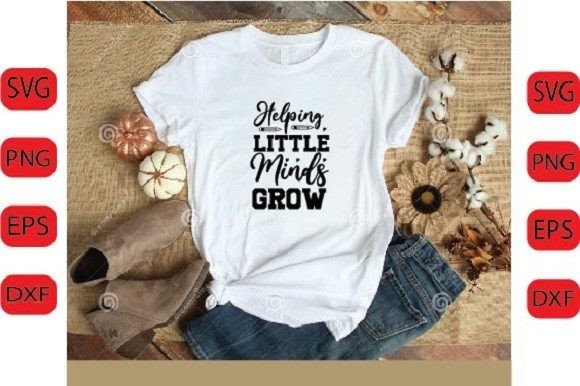
A Designer's Take on "Helping Little Minds Grow" for Embroidery
When you come across a digital design, especially one that’s meant to become a physical, stitched piece, your first thought should be about its life beyond the screen. As someone who both creates and reviews embroidery designs for real client projects and handmade products, I look at a file like "Helping Little Minds Grow SVG DESIGN" with a very practical eye. I’m thinking about the fabric it'll land on, the threads that will define it, and the person who will ultimately receive it.
First Impressions: A Warm, Optimistic Mood
The theme is clear and beautifully sentimental. It speaks directly to educators, parents, mentors—anyone invested in nurturing young minds. The visual personality, based on the name and the promise of clean vector files, feels optimistic, gentle, and celebratory. This isn't a loud, flashy graphic; it's a quiet statement of purpose. That mood translates perfectly into embroidery, where texture and subtlety can elevate a simple message.
In my mind, I immediately see it on a soft, cotton-knit sweatshirt for a teacher, or as a centered design on a canvas tote bag for a librarian. It belongs on items that are used, seen, and appreciated daily. The layout likely supports this, being balanced and clear enough to read well after stitching, without overly fussy details that could vanish under a satin stitch.
The Real-Life Embroidery Scenario: A Custom Teacher Gift
Let’s walk through a typical scenario. It’s the end of the school year, and I’m preparing a custom embroidered tote bag as a gift from a class to their teacher. I choose a sturdy, natural canvas bag. My goal is a clean, professional, and heartfelt finish that the teacher will use proudly.
Here’s where "Helping Little Minds Grow" comes into play. Using the provided vector files, I can easily resize it to fit the bag’s panel perfectly. The ability to change colors means I can match the school’s colors or opt for a classic, sophisticated palette. I’m thinking a deep navy blue for the text and a soft green for any accompanying illustrative elements, if present. The quality vector file is crucial here—it ensures the edges are sharp when my machine translates it into stitches, preventing jagged letters that undermine the handmade presentation.
On the machine, the design’s success hinges on stitch density and clarity. For a tote bag, which might endure heavier use, I want a robust fill stitch for larger areas and clean, defined satin stitches for lettering. This design, given its theme, likely focuses on clear typography, which is excellent for readability. I’d test it on scrap canvas first to check that small details in the lettering—like the connections in "Grow"—don’t get lost.
Where This Design Shines Across Products
Beyond that tote bag, "Helping Little Minds Grow" has a wide, natural application range. It’s a strong candidate for personalized gifts and small shop merchandise.
- Custom Apparel: Embroidered on the left chest of a polo shirt or sweater for an educator, it adds a touch of brand consistency for small tutoring businesses or preschools.
- Baby & Nursery Items: On the corner of a baby blanket or a simple knit hat, it becomes a sweet, aspirational message from parent to child.
- Home Decor: As a centrally embroidered piece on a pillow cover or a tea towel in a kitchen, it feels like a daily affirmation.
- Holiday & Wedding Gifts: For a teacher getting married or during Teacher Appreciation Week, an embroidered apron or cap with this design carries profound meaning.
- Commercial Embroidery Projects: For shops selling handmade products, this design on a patch or a sweatshirt can resonate deeply with a niche audience, boosting buyer engagement and product value.
- Digital Product Sellers: The included PNG and other formats make it excellent for creating printable mockups to showcase the design in your Etsy listings or craft fair previews.
Practical Considerations & Where to Be Cautious
Not every design fits every surface. The charm of "Helping Little Minds Grow" lies in its message, but that message must remain clear after stitching. Here are situations where you need to plan carefully.
- Small Hoop Sizes & Tiny Details: If you’re trying to miniaturize it for a baby hat or a small patch, inspect the lettering closely. Tiny script can become a dense, muddled blob if the stitch density is too high. Resize responsibly.
- Textured or Stretchy Fabrics: On a thick sweater or a stretchy knit, the design’s clarity can suffer. Using a proper stabilizer is non-optional here to prevent distortion.
- Dark Fabric Backgrounds: The mood is warm, but on dark fabric, you need high-contrast thread colors. Test it in black and white mockups first to see if the layout holds its visual weight. A light design on dark fabric may require underlay stitches for stability.
- Curved Surfaces: Embroidering it on a cap requires adjusting the design layout to fit the curve without breaking the message’s visual flow.
- Products for Frequent Washing: For items like kitchen towels or everyday sweatshirts, ensure the stitch structure is dense enough to withstand washes without fraying.
How This Design Impacts Your Work & Your Customer
Choosing a design like this isn’t just about the stitches; it’s about the final product’s story. When you use "Helping Little Minds Grow" thoughtfully, it affects several key areas.
Visual Appeal & Stitching Clarity: A well-embroidered version of this design looks professional and intentional. The clean vector foundation should result in sharp edges and smooth fills, which customers perceive as higher quality.
Customer Trust & Giftability: A handmade item with this message feels personal and trustworthy. It shows you understood the recipient’s role or the buyer’s sentiment. This directly enhances its giftability and the recognition of your craft business’s attention to detail.
Brand Consistency for Creative Entrepreneurs: If you run a shop focused on educator gifts or inspirational products, this design can become a consistent asset, helping build a recognizable brand aesthetic.
Essential Designer Notes Before You Hoop the Fabric
Before you commit this design to a final project, especially for commercial sale, run through these practical steps. They save time, materials, and reputation.
- Always test the embroidery file on scrap fabric of the same type and texture as your final product.
- Check thread color contrast against your final background fabric. Don’t assume the digital colors translate perfectly.
- Review the stitch density in your embroidery software. Ensure it’s appropriate for your fabric—too dense can stiffen thin fabrics; too light can look sparse on towels.
- Confirm the hoop size needed for your desired final size. Does it fit your machine’s capabilities?
- Inspect small details, like intricate corners or connectors in the lettering, to ensure they won’t become thread traps.
- Use the proper stabilizer for your project. This is often the difference between a puckered mess and a flawless finish.
- Critically, check the licensing terms provided with the design. Confirm whether it’s cleared for personal use, commercial embroidery projects, or selling finished items. This is a fundamental step for any digital embroidery file you use in your craft business.
- Remember, while the file formats (SVG, PNG, EPS, DXF) promise easy resizing and color changes, the final embroidery outcome depends on your machine settings and material choices. The digital asset is a blueprint; your skill and preparation build the house.
In the end, "Helping Little Minds Grow SVG DESIGN" strikes me as a versatile, sentiment-rich graphic that, when translated into embroidery with care, can create deeply appreciated products. It’s not just a design; it’s a conversation starter stitched onto fabric, waiting to be given, used, and seen. That’s the kind of file that supports both a heartfelt gift and a thoughtful small business product.